
Skip to content

About

About AsPEN

A multi-national research network supporting pharmacoepidemiologic studies and prompt safety-signal validation across Asia.

01

Mission

To study the effectiveness and safety of medications from Asian countries, and to facilitate prompt identification and validation of emerging safety issues across the region. To advance multi-national database research in pharmacoepidemiology in the Asia/Pacific region through education, capacity building, equitable collaboration, and knowledge exchange among researchers and colleagues.

02

Goals and Objectives

Goal 1

To advance high-quality, multi-national pharmacoepidemiologic research across the Asia-Pacific region

  • Conduct collaborative studies on medication utilization, effectiveness, and safety using databases from Asian countries and regions
  • Support timely signal detection, signal validation, and evidence generation for emerging medication safety issues
  • Promote transparent, reproducible, and fit-for-purpose research approaches across diverse healthcare systems and data environments
  • Strengthen methodological capacity for cross-database studies, including distributed analyses, common data models, and multi-country study governance
Goal 2

To strengthen education, training, and capacity building in pharmacoepidemiology

  • Host symposia, workshops, webinars, and training activities for researchers, students, policymakers, and healthcare practitioners
  • Provide opportunities for students, early-career researchers, and colleagues from emerging research settings to engage in formal or hands-on training
  • Promote knowledge exchange on study design, data analytics, regulatory science, real-world evidence, and cross-national database research
  • Support mentorship and career development within the Asia-Pacific pharmacoepidemiology community
Goal 3

To foster equitable, sustainable, and open collaboration across countries, regions, and research groups

  • Facilitate regular communication and collaboration among AsPEN members through online meetings, in-person meetings, and collaborative scientific activities
  • Encourage equitable participation and leadership across countries, disciplines, career stages, and data settings
  • Promote AsPEN's mission and scientific contributions through publications, presentations, workshops, and international partnerships
  • Support flexible connections and working groups that enable members to collaborate based on shared interests and regional priorities
Goal 4

To enhance regional and international impact through evidence generation, policy engagement, and scientific exchange

  • Translate pharmacoepidemiologic evidence into insights relevant to clinical practice, regulatory decision-making, and public health policy
  • Engage with international societies, regulatory stakeholders, and research networks to amplify Asia-Pacific perspectives
  • Identify region-specific medication safety and effectiveness questions that may not be adequately addressed in other populations or single-country studies
  • Contribute to global real-world evidence development by highlighting the diversity of Asian healthcare systems, populations, and data sources

03

Governance

AsPEN is a Special Interest Group (SIG) of the International Society for Pharmacoepidemiology (ISPE), established in April 2012. AsPEN has evolved into an international research network, supporting collaborative initiatives such as NeuroGEN, vaccine safety studies, and pregnancy pharmacoepidemiology research. Leadership rotates among national groups through a Chair-Elect, Chair, and Immediate Past Chair cycle. The Chair holds strategy, governance, operations, and ISPE liaison, and two functional offices carry the work: Academic & Education, and Communications & Engagement. The Immediate Past Chair serves one leadership cycle in an advisory role, providing continuity and institutional memory without operational duties.

Chair

Academic & Education Office

Scientific programmes, workshops, education, and research initiatives; mentoring early-career researchers across AsPEN member sites.

Edward Lai

Edward Lai

Education Lead

NCKU

Communications & Engagement Office

External communications, public relations, membership, and outreach.

04

How to join

AsPEN membership is open to researchers, healthcare professionals, regulators, and graduate students with an interest in pharmacoepidemiology in Asia/Pacific who are current members of ISPE and are recommended by a current AsPEN member. Both are requirements, not options.

For general inquiries or to discuss local data access and collaboration, see the Contact page.

05

Leadership

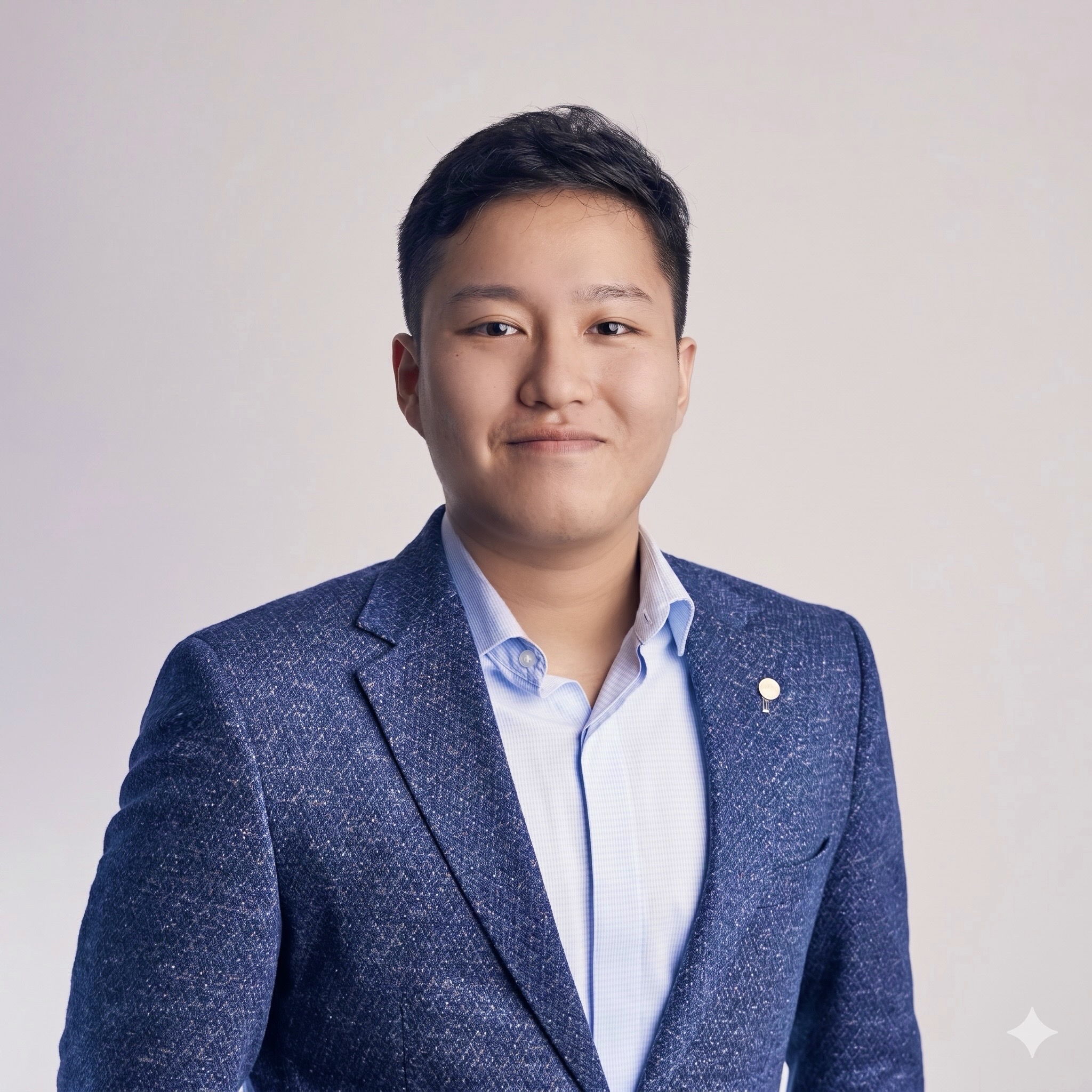
Daniel Tsai

Current Chair

Daniel Tsai

National Cheng Kung University (NCKU)

Daniel Tsai is a research fellow at the Population Health Data Center, NCKU. He specializes in comparative effectiveness research and policy research. His expertise includes triangulating claims databases, electronic health records, and biomedical databases to inform causal inference, and operationalizing infrastructure to support real-world evidence generation. He is involved in the intersection of artificial intelligence and geriatric medicine. Daniel serves as a member of the Neurological and Mental Health Global Epidemiology Network (NeuroGEN), where he contributes to international research collaboration and the advancement of pharmacoepidemiology.


Chair-Elect

Shiori Nishimura

Yokohama City University, Graduate School of Data Science

Dr Shiori Nishimura is a Project Assistant Professor at the Graduate School of Data Science, Yokohama City University, Japan. She trained in health policy and management at Keio University, where she earned her PhD in pharmacoepidemiology, and worked in the Department of Healthcare Quality Assessment at the University of Tokyo before joining Yokohama City University in 2025. Her research uses Japanese claims and registry data to study medication use and safety in cardiovascular medicine, including frailty and clinical outcomes in older adults with atrial fibrillation and heart failure, and the comparative safety of biologic and targeted synthetic disease-modifying antirheumatic drugs.


Ju-Young Shin

Immediate Past Chair

Ju-Young Shin

Seoul National University (SNU) · Sungkyunkwan University (SKKU)

Continuity and advisory role, for one leadership cycle.

Dr Ju-Young Shin, who chaired AsPEN from 2024 to 2026, is a professor at the College of Pharmacy, Seoul National University, South Korea. She serves as an associate editor for Pharmacoepidemiology and Drug Safety, Vaccines, and Epidemiology and Health. Dr Shin holds a PhD in pharmacoepidemiology from Seoul National University and has extensive experience as a director at the Korea Institute of Drug Safety Management. She has published over 150 peer-reviewed articles in journals including BMJ, Gut, and Allergy, with research interests spanning vaccine safety, biologics, and real-world evidence. She also advises the Korean Ministry of Food and Drug Safety and serves on committees for the Korean Society for Pharmacoepidemiology, contributing important regulatory and scientific expertise.


Edward Lai

Education Lead

Edward Lai

National Cheng Kung University (NCKU) · Founder, PHDc

Edward is a Professor at the School of Pharmacy, National Cheng Kung University (NCKU), Taiwan. He is also the leader of the Institutional Research Division, R&D Office at NCKU. He has expertise in the use of a variety of healthcare databases across Asia, Oceania, North America, and Europe in the conduct of international multi-database pharmacoepidemiologic research. His research interests include the safety and effectiveness of medications, as well as the methods for real-world evidence (RWE) studies. He has published 140+ research articles in top journals such as BMJ, Nature Medicine, JAMA Internal Medicine, and Annals of Internal Medicine. He has served as an Associate Editor of Pharmacoepidemiology and Drug Safety since 2013. He served as the chair of the Asian Pharmacoepidemiology Network (AsPEN) (2016-2018) and the Educational leader since 2024. He is an active member of the Neurological and Mental Health Global Epidemiology Network (NeuroGEN). He was awarded the Fellow of the International Society for Pharmacoepidemiology (FISPE) designation in 2023 and the Outstanding Research Award of the National Science and Technology Council of Taiwan.